There’s a certain magic that happens when spicy, smoky Adana kebab meets the warm embrace of soft, pillowy lavash bread-a culinary dance that has captivated taste buds across Turkey and beyond. Born from the sun-drenched plains of Adana, this iconic kebab is more than just grilled meat; it’s a tapestry of tradition, flavor, and craftsmanship. Wrapped snugly in delicate lavash, every bite offers a harmonious blend of textures and aromas, inviting you too experience a mouthwatering journey into Turkish gastronomy. Join us as we explore the rich heritage and irresistible allure of savoring Adana kebab wrapped in soft lavash bread-an edible story that’s as vibrant as the culture it hails from.
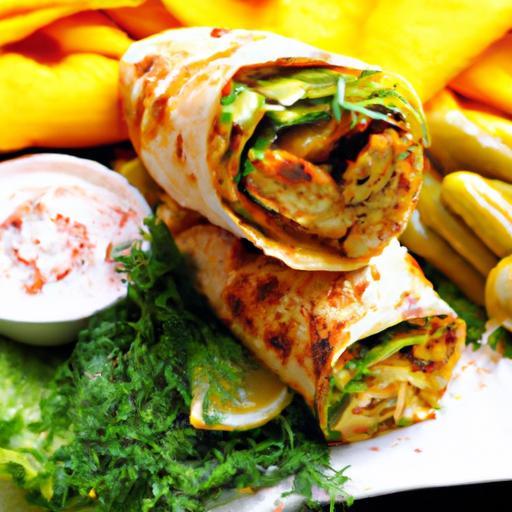
Savoring Turkish Adana Kebab Wrapped in Soft lavash Bread offers a vibrant journey through the heart of Turkish culinary tradition. This iconic dish, originating from the southeastern city of Adana, harmonizes smoky, fiery minced lamb with the pillowy embrace of freshly baked lavash. The velvety bread’s subtle tang and tender crumb perfectly complement the kebab’s bold spices, creating an irresistible balance that awakens the senses and invites shared moments around the table.
Prep and Cook Time
- Preparation: 25 minutes
- Cooking: 15 minutes
- Total Time: 40 minutes
Yield
Serves 4 generous portions
Difficulty Level
Medium – ideal for home cooks ready to embrace authentic flavors with approachable techniques
Ingredients
- 500g minced lamb (preferably 20% fat for juiciness)
- 1 small onion, finely grated
- 2 cloves garlic, minced
- 1 red bell pepper, finely chopped or minced
- 1 tbsp paprika (preferably sweet)
- 1 tsp Aleppo pepper flakes (adjust for heat preference)
- 1 tsp ground cumin
- 1 tsp ground sumac
- 1 tbsp chopped fresh parsley
- 1 tsp dried oregano
- Salt and freshly cracked black pepper to taste
- 4 large Turkish lavash flatbreads, warmed
- Olive oil for brushing
- Lemon wedges for serving
Instructions
- Prepare the kebab mixture: In a large bowl, combine the minced lamb, grated onion, garlic, and red bell pepper.Incorporate paprika, Aleppo pepper, cumin, sumac, oregano, parsley, salt, and pepper. Mix thoroughly using your hands or a sturdy spoon until the mixture is well integrated but not overworked to maintain tenderness.
- Shape the kebabs: Divide the meat mixture into 4 equal portions. With wet hands, mold each portion into a long, thin sausage shape around metal or soaked wooden skewers, about 8 inches in length. this ensures even cooking and traditional presentation.
- Preheat your grill or stovetop pan: Bring heat to medium-high. Lightly brush with olive oil to prevent sticking and add a subtle richness to the kebabs.
- Cook the kebabs: Grill or pan-fry the kebabs for 4-5 minutes per side, turning carefully to develop a deep, caramelized crust. They should be cooked through yet juicy, with slightly charred edges that intensify flavor.
- Warm the lavash: Wrap the flatbreads briefly in foil and warm in a low oven for 5 minutes or warm directly on the grill for 1-2 minutes per side until soft, pliable, and slightly smoky.
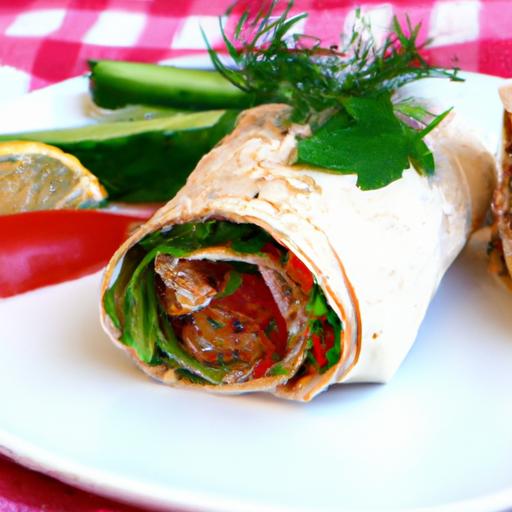
- Assemble the wraps: Place each kebab onto a warm lavash sheet. Optionally drizzle with olive oil and squeeze fresh lemon juice for brightness. Add accompaniments such as sliced tomatoes, onions, or a dollop of yogurt for contrast.
- Wrap and serve promptly: Fold one edge tightly over the kebab, then roll to enclose. Serve with extra lemon wedges and a side of pickled vegetables or green salad to complete this authentic, robust experience.
Tips for Success
- Choosing the meat: for an authentic texture, use freshly minced lamb with a good fat ratio. Too lean will dry out; too fatty becomes greasy.
- Mix lightly: Overworking the mixture can cause a tough kebab. Gentle mixing preserves tenderness.
- Spice balance: Adjust Aleppo pepper flakes according to heat tolerance-start mild and increase gradually.
- Lavash alternatives: If unavailable, a soft pita or tortilla can work, but lavash’s delicate chewiness enhances authenticity.
- Preparation ahead: The kebab mixture can be prepared and refrigerated up to 4 hours before cooking, allowing flavors to meld.
Serving suggestions
To enrich your enjoying experience, serve your kebabs wrapped in lavash alongside sumac-spiced onions, fresh flat-leaf parsley, and a drizzle of garlic yogurt sauce. Garnish plates with lemon wedges to add a zesty brightness that cuts through the richness of the lamb. A crisp, refreshing Cacik (yogurt and cucumber dip) or Britannica’s authentic recipe history make excellent accompaniments. Serve with grilled vegetables or a simple tomato and cucumber salad lightly tossed with olive oil and fresh mint for the ultimate feast.
| Nutrient | Per serving |
|---|---|
| Calories | 420 kcal |
| Protein | 28g |
| carbohydrates | 25g |
| Fat | 22g |

Q&A
Q&A: Savoring Turkish Adana Kebab Wrapped in Soft Lavash Bread
Q1: What makes adana Kebab a standout dish in Turkish cuisine?
Adana Kebab is a fiery party of flavors from the southern region of Turkey, named after the city of Adana. It’s renowned for its perfectly spiced, hand-minced lamb, blended with red pepper flakes and fragrant herbs. This kebab isn’t just food – it’s a vibrant expression of tradition, where every bite carries the warmth of smoky char and the zest of spices that awaken your palate.
Q2: How is the Adana Kebab traditionally prepared?
Traditionally,Adana Kebab is made from freshly ground lamb shoulder seasoned with a blend of chili flakes,paprika,cumin,and parsley. The seasoned meat is then carefully molded by hand onto wide,flat metal skewers. Grilled over an open flame, it develops a tantalizing char on the outside while remaining juicy and tender within.
Q3: Why is soft lavash bread the perfect partner for Adana Kebab?
Lavash bread,with its soft,pillowy texture and subtle earthiness,acts as the ideal canvas for Adana Kebab’s bold flavors. Its slight chewiness complements the succulent meat, while its neutral taste allows the spices and smokiness of the kebab to shine. Wrapped gently around the kebab, fresh herbs, and vegetables, lavash elevates the experience into a handheld feast.
Q4: What traditional accompaniments enhance the Adana Kebab wrapped in lavash?
The kebab comes alive when paired with fresh accompaniments like sliced onions tossed in sumac, juicy tomato wedges, and crisp green peppers. often, a sprinkle of fresh parsley or a dollop of tangy yogurt adds brightness. A squeeze of lemon juice over the kebab wrapped in lavash adds a refreshing citrus kick, balancing the richness of the lamb.
Q5: Can adana Kebab be enjoyed beyond the traditional serving?
Absolutely! While classic wrapped lavash remains beloved, Adana Kebab can also be served over a bed of bulgur pilaf, with grilled vegetables, or chopped and mixed into salads. Its bold flavor profile invites culinary creativity, yet its heart always beats in the fiery spirit of authentic Turkish street food.
Q6: How can one replicate the authentic taste of Adana Kebab at home?
To capture the authentic taste, start with high-quality lamb mince and season generously with red pepper flakes, smoked paprika, cumin, and a touch of garlic. Shape the meat mixture onto skewers and grill over medium-high heat to achieve that signature char. Serve immediately wrapped in freshly baked or store-bought soft lavash, garnished with onions, parsley, and a drizzle of olive oil.
Q7: What cultural significance dose Adana Kebab hold in Turkey?
Adana Kebab is more than just a meal; it’s a cultural emblem reflecting the vibrant culinary heritage of southeastern Turkey.Traditionally enjoyed during family gatherings and celebrations, it symbolizes hospitality and communal joy. Whether at a bustling street stall or a festive feast, sharing Adana Kebab wrapped in warm lavash leaves a lasting impression of Turkish warmth and generosity.
Insights and Conclusions
As the smoky aroma of the Adana kebab mingles with the tender embrace of soft lavash bread, each bite becomes a journey through centuries of Turkish culinary tradition. This humble wrap is more than just a meal-it’s a celebration of spices,textures,and time-honored techniques that come together in perfect harmony. Whether enjoyed on a bustling street corner in Adana or recreated in your own kitchen, savoring this iconic dish is an invitation to experience a rich tapestry of flavors that tell a story beyond the palate. So next time you wrap that juicy, spiced meat in warm lavash, remember: you’re not just eating kebab-you’re tasting a piece of Turkey’s vibrant heritage.