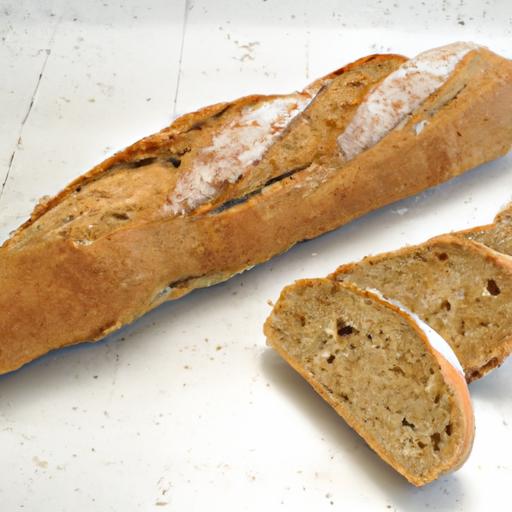
The humble baguette-crisp crust, airy crumb, and unmistakable charm-has long been a symbol of artisanal baking and French culinary tradition. But what happens when this timeless classic meets the wholesome goodness of whole wheat? Enter the whole wheat baguette: a delightful fusion that marries rustic flavor with enhanced nutrition. In this article, we’ll explore how this nutritious twist breathes new life into an old favorite, offering a bread that not only satisfies the soul but also fuels the body with fiber, vitamins, and minerals. Whether you’re a seasoned bread lover or a curious newcomer, discover why the whole wheat baguette deserves a spot at your table.
Exploring the Health Benefits of Whole Wheat in Customary Baguettes
Whole wheat baguette baking introduces a delightful marriage between tradition and nutrition, transforming a classic loaf into a wholesome powerhouse. This style of bread embraces the natural bran and germ of the wheat kernel, which delivers
fiber, essential vitamins, and minerals that you won’t find in white flour alone. The rich nutty flavor and hearty texture add depth to the bread, making every bite more satisfying and nourishing.
By choosing whole wheat flour, you elevate your daily bread experience, promoting digestive health and sustained energy release.Studies from The World’s Healthiest Foods affirm that whole wheat’s nutrient profile supports cardiovascular health and helps regulate blood sugar better than refined flour options.
Mastering the Art of Texture and Flavor in Whole Wheat Baguette baking
The secret to mastering a whole wheat baguette lies in balancing hydration and kneading to coax out a tender but resilient crumb. Unlike white baguettes, whole wheat dough demands patience-the fiber-rich bran particles can interfere with gluten progress, making it crucial to mix thoroughly and allow for generous fermentation.
The crust should boast a beautifully crisp and glossy exterior, adorned with the signature baguette slashes scoring the loaf for an artisan look. Inside, expect an open crumb with small, irregular holes highlighted by the wholesome warmth from the whole wheat flour’s earthy notes.
Selecting the Best Ingredients for a Wholesome and Tasty Loaf
When baking a whole wheat baguette, the quality of ingredients profoundly influences the final loaf.Opt for freshly milled whole wheat flour whenever possible; this ensures maximum vitamin retention and a vibrant flavor. Pair it with bread flour for optimal gluten strength, and don’t overlook the magic of pure, filtered water-its mineral content gently affects yeast activity and dough texture.
High-quality yeast guarantees steady fermentation, while just the right pinch of salt balances flavors and controls yeast growth. To add subtle complexity, a touch of raw honey or malt syrup can enhance crust coloration and sweetness without overpowering the wholesome character.
Tips and Tricks for Storing and Enjoying Your Whole Wheat baguette Fresh
Properly storing your whole wheat baguette preserves its quality and maximizes enjoyment. Given its crusty exterior,keep the bread at room temperature loosely wrapped in a linen or cotton bread bag to maintain freshness and avoid sogginess. For longer storage,freeze whole loaves or slices wrapped in parchment and sealed in airtight containers.
When ready to serve, gently reheat the bread in a conventional oven (about 350°F/175°C for 8-10 minutes) to revive its crisp crust and fluffy crumb. Paired with fresh olive oil, herbed butter, or vibrant spreads, this nutritious loaf shines brightest fresh from the oven.
Prep and Cook Time
- Planning Time: 30 minutes
- First Rise: 1 hour 30 minutes
- Shaping and Second Rise: 45 minutes
- Baking Time: 25-30 minutes
- Total Time: Approximately 3 hours 15 minutes
Yield
- Makes 2 medium-sized whole wheat baguettes
Difficulty level
- Medium – ideal for bakers agreeable with bread basics eager to explore whole grain variations
Ingredients
- 2 cups (240g) whole wheat flour, preferably freshly milled or stone-ground
- 1 cup (120g) bread flour, sifted
- 1 ¼ cups (300ml) warm filtered water, 105-110°F (40-43°C)
- 2 tsp active dry yeast or instant yeast
- 1 ½ tsp fine sea salt
- 1 tbsp raw honey or malt syrup (optional for enhanced browning)
- 2 tsp olive oil (optional, for a tender crumb)
Instructions
- Activate yeast: In a small bowl, dissolve the honey in warm water then sprinkle yeast on top. let it sit for 5-10 minutes until foamy, indicating the yeast is active.
- Mix dry ingredients: In a large bowl, whisk together the whole wheat flour, bread flour, and sea salt, ensuring even distribution.
- combine dough: Make a well in the center of the flour mixture, pour in the yeast mixture and olive oil. Stir gently with a wooden spoon until a shaggy dough forms.
- Knead the dough: Transfer to a lightly floured surface. Knead for 10-12 minutes, folding and pressing the dough until smooth and elastic. The dough should feel tacky but not sticky. If too sticky, lightly dust with flour sparingly.
- First fermentation: Place dough in a lightly oiled bowl, cover with a damp kitchen towel or plastic wrap. Let it rise in a warm spot for 1 hour and 30 minutes, or until doubled in size.
- Shape baguettes: Punch down the dough gently to release air. Divide in two equal parts. Shape each into a long, slender loaf about 14 inches long, tapering ends slightly. Place on a parchment-lined baking sheet or floured couche.
- Second rise: Cover with a clean towel and allow the shaped baguettes to rise for 45 minutes. The dough should spring back slowly when pressed.
- Prepare oven: Place a shallow pan of water on the bottom rack to create steam, and preheat oven to 475°F (245°C).
- Score and bake: Using a sharp serrated knife or lame, make 3-4 diagonal slashes on each loaf. Slide parchment onto baking tray,place in the oven,and bake for 25-30 minutes until the crust is deep golden brown and crisp.
- Cool: Remove from oven and cool on wire racks entirely before slicing to preserve crumb texture.
Tips for success
- If your dough feels dense, increase hydration by 1-2 tbsp water next batch, as whole wheat flour absorbs more liquid.
- Resting the dough overnight in the refrigerator can intensify the flavor through slow fermentation.
- Use a baking stone or steel for an extra-crispy crust that rivals professional bakeries.
- For a lighter crumb, try mixing 25% whole wheat flour with bread flour if 100% whole wheat feels too hearty initially.
- Freeze leftover baguettes wrapped tightly and toast slices directly from frozen for fresh-tasting bread any time.
Serving Suggestions
Fresh whole wheat baguette pairs exquisitely with rustic cheeses, hummus, or a drizzle of high-quality extra virgin olive oil and a sprinkle of flaky sea salt.Try layering sandwiches with ripe avocado,crisp lettuce,and vine-ripened tomatoes to highlight the nutty bread. Garnish platters with fresh rosemary sprigs or edible flowers for a charming touch that enhances visual appeal and aroma.

| Nutrient | Per Serving (1/4 loaf) |
|---|---|
| Calories | 180 kcal |
| Protein | 6 g |
| Carbohydrates | 36 g |
| Fat | 1.5 g |
| dietary Fiber | 5 g |
Looking to expand your baking repertoire? discover similar wholesome recipes like our Gluten-free Artisan Bread for further inspiration.
Q&A
Q&A: Whole Wheat Baguette – A Nutritious Twist on a Classic Loaf
Q1: What makes a whole wheat baguette diffrent from a traditional baguette?
A1: The key difference lies in the flour used.whole wheat baguettes are made primarily with whole wheat flour, which includes the bran, germ, and endosperm of the wheat kernel. This gives the bread a heartier texture, richer flavor, and boosts its nutritional profile with more fiber, vitamins, and minerals compared to the refined white flour in classic baguettes.
Q2: How does the texture of a whole wheat baguette compare to a white baguette?
A2: Whole wheat baguettes tend to have a denser, slightly chewier crumb and a more rustic crust. The bran in the whole wheat flour adds a bit of grit and a wholesome bite, while the crust still maintains that iconic crispness that baguettes are known for. the result is a loaf that feels satisfying and considerable but still light enough for easy sandwich-making.
Q3: Why is choosing whole wheat better for nutrition?
A3: Whole wheat retains all parts of the grain, which means it preserves fiber, antioxidants, B vitamins, and minerals like iron and magnesium. This fiber promotes digestive health and helps maintain stable blood sugar levels, making whole wheat baguettes a smarter choice for those seeking sustained energy and better overall wellness.
Q4: Can whole wheat baguettes be used the same way as traditional baguettes?
A4: Absolutely! Whole wheat baguettes are versatile and can replace white baguettes in almost any dish – from sandwiches and bruschetta to simply enjoying with a smear of nut butter or hummus. Thier robust flavor complements cheeses,roasted vegetables,and fresh salads beautifully.
Q5: Are whole wheat baguettes more arduous to bake at home?
A5: Baking with whole wheat flour can be a bit trickier due to its higher bran content, which affects gluten development and moisture absorption. Though,with a few tweaks like adding a bit more water and allowing longer fermentation time,you can bake a beautifully textured whole wheat baguette right in your kitchen.
Q6: What are some creative ways to enjoy a whole wheat baguette?
A6: Try slicing it thin and toasting for homemade crostini topped with smashed avocado and cherry tomatoes, or use it as the base for a vibrant veggie sandwich with grilled eggplant, roasted red peppers, and a drizzle of basil pesto. whole wheat baguettes also make terrific dunkers for hearty soups like lentil or butternut squash.
Q7: How can whole wheat baguettes fit into a balanced diet?
A7: Incorporating whole wheat baguettes provides a nutritious source of complex carbohydrates and fiber that help keep you full longer. They pair well with lean proteins,fresh vegetables,and healthy fats to create well-rounded meals that support energy and overall health.
Q8: Is there a difference in shelf life between whole wheat and white baguettes?
A8: Whole wheat breads tend to have a slightly shorter shelf life becuase the natural oils in the wheat germ can cause the bread to go stale faster. Storing your baguette in a paper bag at room temperature and consuming it within a day or two, or freezing for longer storage, helps maintain freshness.
Embark on your next bread adventure with the wholesome,nutty charm of a whole wheat baguette-where tradition meets nutrition in every crunchy bite!
Future Outlook
Embracing the whole wheat baguette means savoring more than just a classic French loaf-it’s a flavorful journey into nutrition and tradition intertwined. This wholesome twist not only enriches your palate with nutty depth but also boosts your meals with fiber, vitamins, and a hearty texture that invites endless culinary creativity. Whether toasted for breakfast or paired with your favorite dinner, the whole wheat baguette stands as a testament to how mindful ingredients can elevate everyday eating. So next time you reach for a baguette, consider the whole wheat variety-a small change that makes a big impact on your health and your taste buds alike.