In a world brimming with fast food fads and fleeting dietary trends, the humble whole wheat pita bread stands as a timeless treasure-simple yet brimming with goodness. More than just a versatile vehicle for your favourite fillings,this golden,pocketed bread offers a wealth of health benefits that frequently enough go unnoticed. journey with us as we unwrap the wholesome delights of whole wheat pita bread, exploring how this ancient staple nourishes the body, delights the palate, and fits seamlessly into a balanced lifestyle. Whether you’re a culinary adventurer or a health-conscious eater, discover why whole wheat pita is more than just bread-it’s a wholesome invitation to eat well and feel great.
Whole wheat pita bread offers more than just a delightful pocket to hold your favorite fillings-it is indeed a nutritional powerhouse that elevates digestive health and boosts your energy levels naturally. Originating from ancient Middle Eastern cuisines, whole wheat pita is cherished worldwide for its hearty texture, rich flavor, and versatility in everyday meals.Embracing this wholesome delight in your kitchen not only invites a world of taste but also adds robust nutrition that supports your well-being.
Prep and Cook Time
- Preparation: 15 minutes
- Rising Time: 1 hour 30 minutes
- Cooking Time: 8 minutes
- Total Time: 1 hour 53 minutes
Yield
Makes 8 medium-sized whole wheat pita breads
Difficulty Level
Easy to Medium – perfect for beginner bread makers, with approachable steps and rewarding results.
Ingredients
- 2 cups whole wheat flour, sifted for a lighter texture
- 1 cup all-purpose flour, for elasticity and chewiness
- 1 cup warm water (between 105°F and 115°F)
- 2 teaspoons active dry yeast
- 1 teaspoon sea salt
- 1 tablespoon extra virgin olive oil
- 1 teaspoon honey (optional, for gentle fermentation)
Instructions
- Activate the yeast: in a small bowl, combine warm water, yeast, and honey. Stir gently and let it sit for 5-10 minutes until frothy,indicating active fermentation.
- Mix dry ingredients: in a large bowl, whisk together the whole wheat flour, all-purpose flour, and sea salt. Make a well in the center.
- Form the dough: Pour the yeast mixture and olive oil into the flour well.Mix with a wooden spoon or your hand until the dough begins to form.
- Knead for softness: Turn dough onto a floured surface; knead for 8-10 minutes until smooth and elastic. Add small amounts of flour if sticky, but avoid over-dusting to keep the pita soft.
- First rise: Lightly oil a clean bowl, place dough inside, cover with a damp cloth or plastic wrap, and let rise in a warm spot for about 1 hour or until doubled in size.
- Preheat and shape: Preheat your oven to 475°F (245°C), placing a baking stone or inverted baking sheet on the middle rack. Punch down the dough and divide it into 8 equal portions.
- Roll out the pitas: On a lightly floured surface, roll each piece into a 6-7 inch circle, about 1/4-inch thick. Keep covered with a damp towel to prevent drying.
- Bake to perfection: Place 2-3 pitas on the hot baking surface at a time. Bake for 4 minutes until puffed, then flip and bake an additional 3-4 minutes until golden brown spots appear. The pitas will puff up beautifully, creating the classic pocket.
- Cool and store: Transfer baked pitas to a clean kitchen towel to cool. Stack and cover to retain softness. Serve warm or store in an airtight container.
Tips for Success
- For an even fluffier pocket, ensure the dough is well kneaded and rested properly to develop gluten strength.
- If your pita does not puff, try rolling dough slightly thinner or baking in a hotter oven to produce steam that separates the layers.
- Substitute honey with maple syrup or skip it entirely for a neutral flavor.
- Freeze baked pitas in resealable bags; thaw at room temperature and warm on a skillet for fresh taste.
- Experiment with sprinkling za’atar or sesame seeds on rolled dough before baking for an aromatic twist.
Serving Suggestions
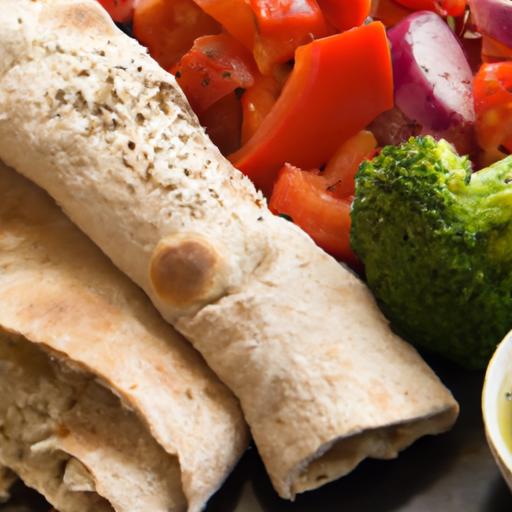
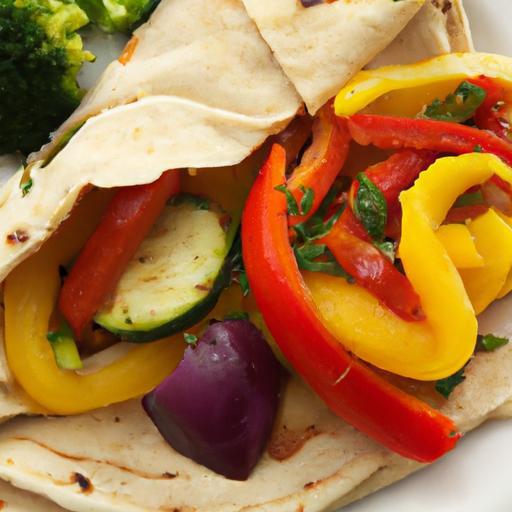
Whole wheat pita is a canvas of culinary creativity. Slice it open and fill with vibrant grilled vegetables, roasted chickpeas, and a creamy tahini sauce for a Mediterranean-inspired wrap. Or use pita pockets as mini sandwich vessels for grilled chicken and crunchy slaw. When serving, garnish with a sprinkle of freshly chopped parsley or sesame seeds and a drizzle of olive oil to elevate flavor and presentation. Whole wheat pita also pairs wonderfully with dips like hummus, baba ganoush, or your favorite yogurt-based sauces, inviting sharing and communal dining experiences.

Nutrition at a Glance
| Nutrient | Per Serving (1 pita) |
|---|---|
| Calories | 150 kcal |
| Protein | 6 g |
| Carbohydrates | 28 g |
| fat | 2 g |
| Dietary Fiber | 4 g |
Discover more wholesome recipes by exploring our whole grain recipe collection,and learn about the science behind dietary fiber on The British Nutrition Foundation.
Q&A
Q&A: Wholesome Delights – Exploring the Benefits of Whole Wheat Pita Bread
Q1: What sets whole wheat pita bread apart from its white flour counterpart?
A1: Whole wheat pita bread is made from whole grain flour, meaning it contains the entire wheat kernel – bran, germ, and endosperm. This gives it a richer texture, deeper flavor, and most importantly, a higher nutritional profile with more fiber, vitamins, and minerals than white pita bread, which is refined and stripped of many nutrients.
Q2: How does the fiber in whole wheat pita benefit digestion?
A2: The fiber found in whole wheat pita acts like a gentle broom, sweeping through the digestive tract to promote regularity and support gut health. It helps prevent constipation, keeps you feeling fuller longer, and can even play a role in balancing blood sugar levels by slowing down digestion.
Q3: Can whole wheat pita bread support weight management?
A3: Absolutely. Thanks to its high fiber and protein content, whole wheat pita bread promotes satiety, helping to curb overeating. When paired with nutrient-dense fillings like fresh vegetables, hummus, or grilled legumes, it makes for a satisfying, balanced meal without excess calories.
Q4: What vitamins and minerals are more abundant in whole wheat pita?
A4: Whole wheat pita boasts a bounty of B vitamins (such as niacin, thiamine, and folate), iron, magnesium, and zinc. These nutrients play essential roles, from boosting energy metabolism and supporting immune function to maintaining healthy skin and the nervous system.
Q5: How versatile is whole wheat pita in everyday cooking?
A5: Whole wheat pita is a culinary chameleon! It serves as the perfect pocket for hearty sandwiches, a sturdy base for mini pizzas, or a crisp canvas when toasted into chips. Its nutty flavor complements fresh herbs,savory spreads like baba ganoush,roasted vegetables,and a rainbow of plant-powered fillings.Q6: Is whole wheat pita suitable for peopel with gluten sensitivities?
A6: Whole wheat pita is made from wheat flour and thus contains gluten, so it is not suitable for those with celiac disease or gluten intolerance.However, for those without gluten issues, whole wheat pita offers abundant health benefits.
Q7: How does whole wheat pita contribute to heart health?
A7: The fiber and antioxidants in whole wheat pita help reduce cholesterol levels and improve blood vessel function.Regular consumption as part of a balanced diet can support a healthy heart by lowering the risk of cardiovascular disease.
Q8: What are some creative ways to enjoy whole wheat pita beyond the classic sandwich?
A8: Think beyond the pocket! Slice whole wheat pita into triangles for a homemade chip option, paired with spicy red pepper dip or creamy tzatziki. Use toasted pita as a base for colorful salads, spoon over lentil stew, or crumble it as a crunchy topping on soups and roasted vegetable dishes.
Q9: Does whole wheat pita bread have a different impact on blood sugar compared to white pita?
A9: Yes, the fiber and complex carbohydrates in whole wheat pita slow the absorption of sugars into the bloodstream, leading to a more gradual rise in blood sugar. This steadier energy release helps avoid the spikes and crashes often associated with refined white pita bread.
Q10: Can baking whole wheat pita at home be easy and rewarding?
A10: Definitely! Making whole wheat pita at home allows you to control ingredients, avoid preservatives, and tailor the flavors. Plus, watching those puffy pockets form in the oven is as satisfying as enjoying them fresh from the skillet – warm, soft, and wholesome.
Embracing whole wheat pita bread opens a door to nutrition-packed, versatile meals that nourish both body and soul-a true wholesome delight worth exploring!
future Outlook
as we’ve journeyed through the warm, nutty world of whole wheat pita bread, it’s clear that this humble staple packs a powerful punch of nutrition wrapped in every pocket. From its rich fiber content to its sustained energy benefits, whole wheat pita isn’t just a versatile canvas for your favorite fillings-it’s a wholesome delight that supports a balanced lifestyle. So next time you reach for bread, consider the hearty goodness of whole wheat pita: a simple switch that nourishes your body, fuels your day, and adds a tasty twist to your meals. Embrace the blend of tradition and health in every bite, and let whole wheat pita bread become your new everyday companion on the path to well-being.