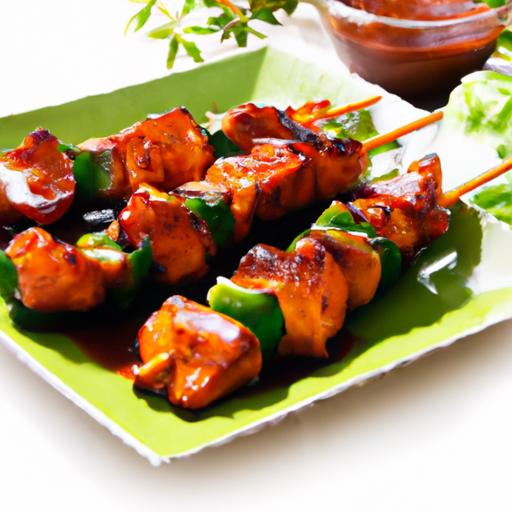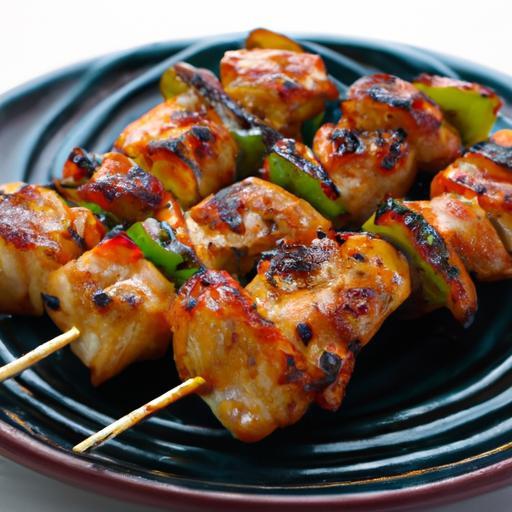
There’s a certain magic in simplicity-a dance of flavors that awakens the senses without overwhelming them. Japanese yakitori, the artful craft of skewered chicken grilled over glowing charcoal, embodies this very elegance. More than just a beloved street food, yakitori represents a centuries-old tradition, where each bite tells a story of meticulous technique, regional nuances, and a deep respect for ingredient harmony. Join us as we embark on a flavorful journey into the world of yakitori, uncovering the secrets behind its irresistible charm and the cultural threads woven into every tender, smoky morsel.
Origins and Cultural Importance of Yakitori in Japan
Savoring Japanese Yakitori is more than just indulging in delicious grilled chicken skewers-it’s an exploration into a rich cultural tradition that dates back several centuries.Originally popularized during the Edo period (1603-1868), yakitori began as affordable street food for commoners, evolving into a staple of izakayas (japanese pubs) and home cooking.Each skewer tells a story of Japanese craftsmanship, regional pride, and communal enjoyment.Yakitori is cherished not only for its smoky, charred flavors but as an art form where the simplicity of chicken cuts combined with nuanced seasonings highlights the chef’s skill and respect for ingredients.
The cultural significance is profound: these bite-sized morsels often accompany social gatherings, symbolizing camaraderie and relaxation after a day’s work. In many parts of Japan, mastering the art of yakitori is a revered craft, with specialty shops using carefully selected cuts and secret sauces passed down through generations. This dish represents the perfect harmony of tradition and flavor-an experience to be shared and savored.
Mastering the Varieties of Yakitori Cuts and flavors
Savoring Japanese Yakitori means becoming intimately familiar with the diverse array of chicken parts that form the backbone of this cuisine. Not just limited to breast or thigh meat, yakitori chefs expertly showcase cuts like momo (thigh), negima (thigh and scallion), tsukune (chicken meatballs), sunagimo (gizzard), reba (liver), and tentai (chicken tail). Each cut offers a distinct texture and flavor profile, from succulent and tender to pleasantly chewy or richly earthy.
Flavor plays a starring role, with two dominant styles: tare and shio. Tare is a thick soy-based glaze simmered with mirin, sake, and sugar, lending a glossy, caramelized sweetness. Shio, on the other hand, celebrates simplicity with just sea salt, allowing the natural essence of the chicken to shine through. Many artisans balance these with subtle additions of yuzu, chili flakes, or sansho pepper, enhancing complexity without overwhelming the palate.
The Art of Perfect Grilling Techniques for Authentic Taste
Grilling yakitori is a delicate dance of heat and timing. The focus keyword savoring Japanese Yakitori is inseparable from mastering this essential skill. customary yakitori grilling uses binchotan charcoal for its intense, clean heat and steady temperature, imparting a whisper of smoky aroma without overpowering the chicken. When grilling at home, a charcoal grill or a well-regulated gas grill with indirect heat can suffice.
Targets like even cooking, turning uniform skewer rotations, and avoiding flare-ups ensure juicy, beautifully charred bites. The meat should be skewered on firm bamboo sticks, soaked beforehand to prevent burning. Keep the grill low to medium, and patiently rotate each skewer every 20-30 seconds. as the tare glaze caramelizes, brush continuously for layers of flavor. For shio-style, sprinkle salt just after removing from the heat to maintain crispness.
Pairing Yakitori with Traditional Sauces and Beverage Recommendations
Enjoying Savoring Japanese Yakitori in its truest form involves thoughtful sauce pairings and beverage accompaniments. The classic tare sauce,glossy and savory-sweet,harmonizes perfectly with crisp side dishes like fresh cabbage or pickled daikon radish. Shio yakitori, with its minimalist seasoning, pairs beautifully with sansho pepper or a touch of grated lemon zest to enhance brightness.
For beverages,traditional choices enhance the dining experience. A chilled glass of Japanese sake, especially a crisp junmai or ginjo style, cuts through the richness with a subtle fruity character. Alternatively, light Japanese beer-brisk and effervescent-is favored in izakayas nationwide. For a non-alcoholic option, cold barley tea (mugicha) refreshes the palate elegantly.
Prep and Cook Time
- Preparation: 20 minutes
- marinating and Rest: 15 minutes (optional)
- grilling: 10-15 minutes
- Total Time: Approximately 45 minutes
Yield
Serves 4 as an appetizer or 2 as a main dish
Difficulty level
Medium - requires attention to grill control and skewer preparation
Ingredients
- 500g boneless chicken thighs, skin-on, cut into 1.5-inch pieces
- 8 bamboo skewers, soaked in water for 20 minutes
- 2 scallions, cut into 1-inch pieces (for negima style)
- Salt, to taste (preferably sea salt)
- Binchotan charcoal or an option charcoal/gas grill ready for medium heat
- For Tare Sauce:
- ½ cup soy sauce
- ¼ cup mirin
- 2 tablespoons sake
- 2 tablespoons sugar
instructions
- Prepare the tare sauce: In a small saucepan, combine soy sauce, mirin, sake, and sugar. Simmer gently over low heat for 10-15 minutes, stirring occasionally until slightly thickened. Set aside to cool.
- Thread the chicken pieces onto bamboo skewers: Alternate between chicken and scallion pieces if making negima-style. Do not overcrowd; leave some space for even cooking.
- Preheat your grill: If using charcoal, light it well until covered with a white ash layer. For gas,preheat to medium heat (around 350°F/175°C).
- Season the skewers lightly with salt if grilling shio style. If using tare, wait to baste.
- Place skewers on the grill: Cook slowly, turning every 20-30 seconds to avoid burning and promote even cooking.
- For tare-style Yakitori: Brush with the prepared tare sauce multiple times during grilling. Allow the sauce to caramelize but avoid charring too harshly to prevent bitterness.
- For shio-style Yakitori: Grill the skewers until cooked through and nicely charred. Season with a final sprinkle of sea salt or sansho pepper immediately after grilling.
- Remove from heat: Let sit for 2 minutes before serving to allow juices to redistribute.
Chef’s Notes
- Chicken thighs retain moisture better than breast meat and are traditionally preferred for yakitori.
- Soaking bamboo skewers prevents flare-ups and burning during grilling.
- For a japanese street food vibe, try grilling tsukune (chicken meatballs) seasoned with ginger and scallion and served with tare.
- Experiment with adding a dash of yuzu kosho (citrus chili paste) on the side for an exciting flavor twist.
- make-ahead: Prepare tare sauce up to 3 days in advance and keep refrigerated.
- For indoor grilling, use a grill pan with ridges and a good ventilation system to mimic the smokiness.
Serving Suggestions
Serve your yakitori on a rustic wooden platter for authenticity.Garnish with freshly ground sansho pepper or finely sliced shiso leaves for a pop of color and aroma.Accompany with small bowls of pickled vegetables and steamed white rice or cold soba noodles. Pair alongside a chilled glass of sake or crisp Japanese lager. A wedge of lemon or lime can brighten the dish further, offering guests a squeeze for added freshness.
| Nutrient | Per Serving (approx.) |
|---|---|
| Calories | 320 kcal |
| Protein | 35 g |
| Carbohydrates | 8 g |
| Fat | 15 g |

Explore more traditional Japanese dishes on our Japanese cuisine guide and deepen your culinary journey. For a deeper dive into yakitori history and technique, refer to Japan National Tourism Association.
Q&A
Q&A: Savoring Japanese Yakitori – the Art of Chicken Skewers
Q1: What exactly is yakitori?
A1: Yakitori is a beloved Japanese culinary tradition centered on skewered and grilled chicken. The term literally means “grilled bird,” and it showcases various cuts of chicken, from tender thigh meat to savory liver, expertly seasoned and cooked over charcoal to achieve a smoky, mouthwatering flavor.
Q2: What makes yakitori different from other grilled chicken dishes?
A2: Unlike typical grilled chicken, yakitori emphasizes simplicity, precision, and balance. Each skewer is crafted with uniform pieces of chicken, frequently enough paired with complementary vegetables like scallions or shiitake mushrooms. The magic lies in the grilling technique-slowly cooked over binchotan, a special charcoal, and basted with tare sauce or simply sprinkled with salt to enhance the natural umami of the chicken.
Q3: What are the essential parts of the chicken used in yakitori?
A3: Yakitori chefs celebrate the whole chicken, offering an array of textures and flavors. Popular cuts include momo (thigh), negima (bit of chicken and scallion), tsukune (ground chicken meatballs), sunagimo (gizzard), and reba (liver). Each part delivers a unique taste experience, from juicy and rich to crisp and savory.Q4: How is yakitori traditionally seasoned?
A4: Traditionally,yakitori is seasoned in two primary ways: shio (salt) or tare (a sweet-savory sauce). Shio highlights the chicken’s natural flavor and is sprinkled lightly before grilling. Tare is a luscious glaze made from soy sauce, mirin, sake, and sugar, brushed on during cooking to form a caramelized, glossy finish that tantalizes the palate.
Q5: What is the significance of the grilling process in yakitori?
A5: Grilling is the heart and soul of yakitori. Using glowing charcoal-often binchotan-ensures an even heat that crisps the exterior while locking in the juices. Skilled chefs turn skewers meticulously, timing each turn to enhance texture without burning, creating an irresistible contrast between a smoky crust and a tender interior.
Q6: Can vegetables be part of yakitori?
A6: Absolutely! Traditional yakitori often alternates chicken pieces with veggies like scallions (negi), bell peppers, or shiitake mushrooms. These not only add color and texture but also complement the savory notes of the chicken, creating a harmonious bite.
Q7: How is yakitori typically enjoyed in Japan?
A7: Yakitori is often savored in casual settings, like izakayas (Japanese pubs), where friends gather to share skewers over lively conversation. It’s a perfect accompaniment to cold beverages and is embraced as both street food and gourmet fare, bridging everyday comfort and culinary artistry.
Q8: Are there modern twists on yakitori?
A8: While rooted in tradition, yakitori chefs experiment with flavors by infusing marinades with yuzu citrus, adding spicy elements like shichimi pepper, or incorporating seasonal herbs. Vegetarian skewers made from tofu or mushrooms sometiems appear alongside chicken, celebrating the spirit of yakitori without diverging from its grilling essence.
Dive into yakitori not just as a meal but as an experience-a dance of fire and flavor that captures the soul of Japanese grilling. Whether you savor the smoky crunch of thigh meat or the tender bite of tsukune, yakitori invites you to appreciate chicken in a new, artful light.
Final Thoughts
As the final embers flicker and the last bite of succulent yakitori melts on your tongue, you realize that this humble chicken skewer is far more than just street food-it is a celebration of craftsmanship, culture, and conviviality.Each skewer tells a story, from the careful selection of cuts to the delicate dance of flame and seasoning, inviting you to savor not only the flavors but the rich heritage behind this beloved Japanese dish. Whether enjoyed at a bustling izakaya or grilled in your own backyard, yakitori offers a timeless connection to Japan’s culinary artistry-one skewer at a time.So next time you find yourself craving something simple yet profound, remember: the art of yakitori is waiting to be savored, one juicy, charred morsel after another.